Jan 17, 2026
Paul MH Li
The Sacred Origins of Mechanical Timekeeping — A Legacy of Faith and Precision
Where Faith and Time Began
The mechanical clock, ancestor of today’s mechanical watch, was born in 13th‑century Christian Europe. Monks followed a sacred rhythm of prayers known as the divine office, gathering seven times daily—from Lauds at dawn to Vigils at midnight. To keep this holy schedule through winter nights, they needed a new kind of timekeeper. Water clocks froze, inspiring the invention of mechanical clocks that struck bells to announce the hours of prayer.
The word clock itself comes from the Latin clocca (“bell”), reminding us that the first timepieces were devotional instruments—designed to measure not productivity, but prayer.
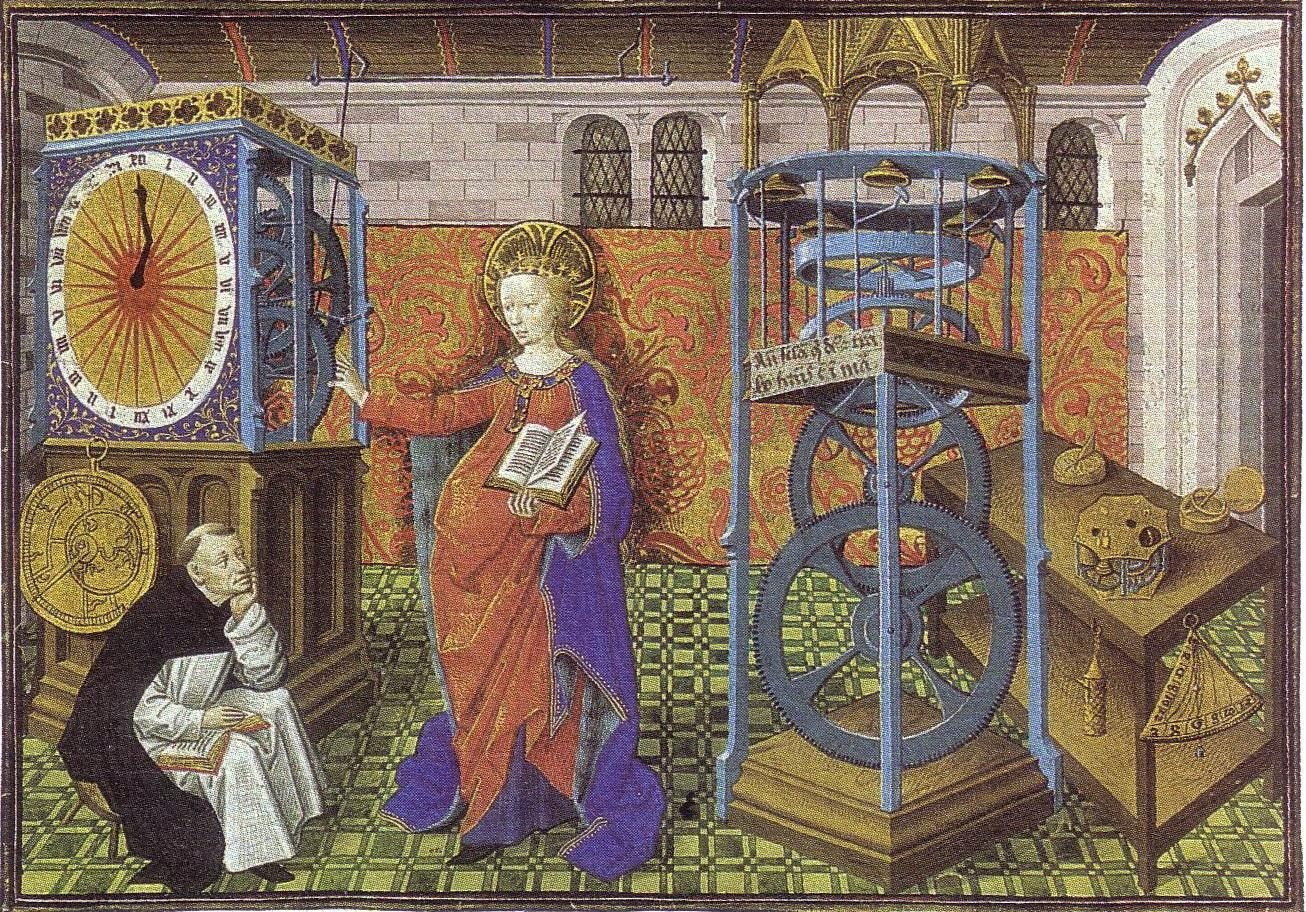
Horologium Sapientiae: Left clock tells time visually. Right clock tells time by sounding bells.
From Sacred Bells to Fine Watches
Over time, weights gave way to springs, making time portable. Innovators such as Leonardo da Vinci sketched clockwork designs, while Christiaan Huygens’s 17th‑century pendulum and balance spring advanced accuracy beyond imagination. What began in monasteries evolved into a triumph of European craftsmanship, artistry, and precision.
Metrical Watch — Time with Meaning
At Metrical Watch, we honor these origins. Each of our luxury mechanical watches carries subtle symbols of devotion—reflections of a faith once measured in bell chimes and prayer. Our designs blend vintage watch heritage with craftsmanship. Each watch honours not only the innovation of centuries but also the spiritual intent that first gave time its rhythm—the desire to draw closer to God through order, beauty, and precision.
Whether you’re inspired by mechanical watch history, captivated by luxury watch craftsmanship, or simply drawn to meaningful design, each Metrical creation is built as a companion for life’s most purposeful moments.
Rediscover time made sacred.